
Materials
Martian Regolith
Martian regolith, or Martian soil, is processed to offer great strength and forms the basis of many construction elements, thus reducing the need to import materials from Earth.
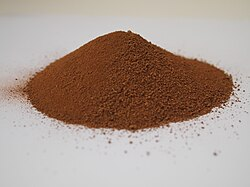
Mars is covered with vast expanses of sand and dust, its surface is littered with rocks and boulders. The dust, very fine, remains suspended in the atmosphere for a long time, giving the sky its characteristic reddish hue.
This color is due to iron oxides, formed billions of years ago when Mars was warmer and wetter. Today, soil oxidation continues thanks to the superoxide ion, generated by ultraviolet radiation.
The amount of water in Martian regolith varies between 2 and more than 60% of its mass, making it a valuable resource for colonization.
Recycled Glass
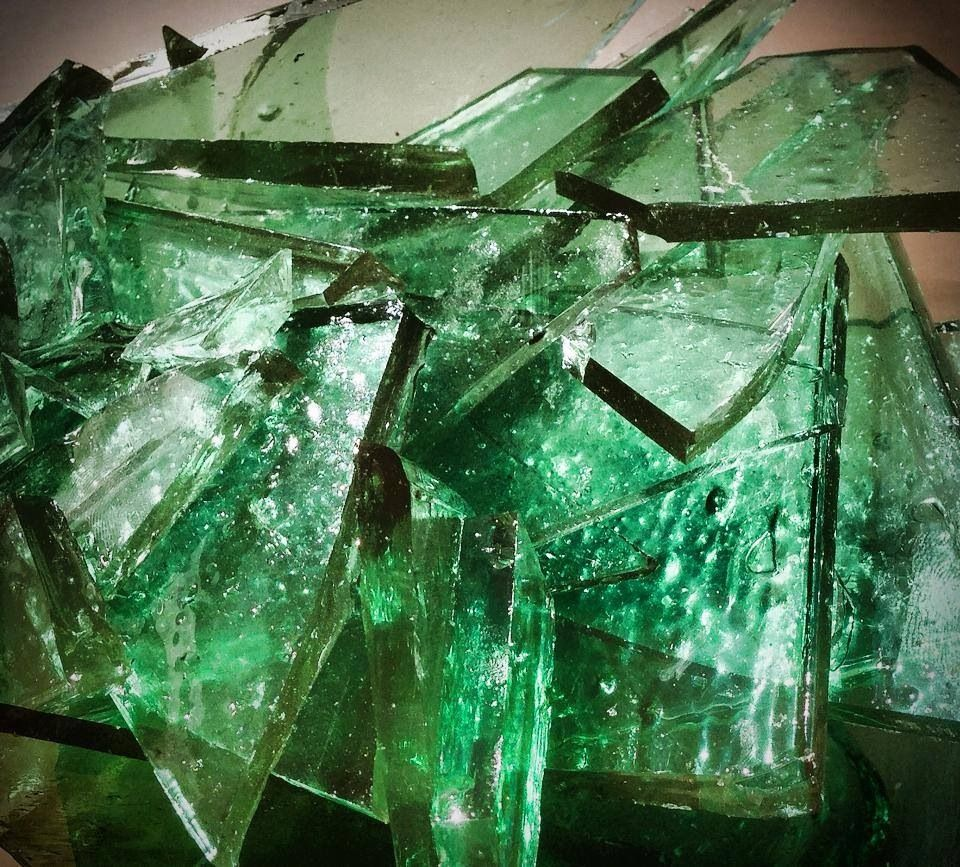
Glass, an ancient material, is omnipresent in our daily lives: crafts, architecture, emballages... Its recycling protects the environment and preserves natural resources.
How is glass made?
Made from a mixture of sand, soda and limestone, glass is melted at very high temperature (1300°C to 1550°C) to form an amorphous material, then shaped according to different uses (glasses, mirrors, windows...).
Glass recycling helps limit the extraction of raw materials and reduce the ecological footprint of Martian construction.
Source : paprec.com
Hemp Concrete
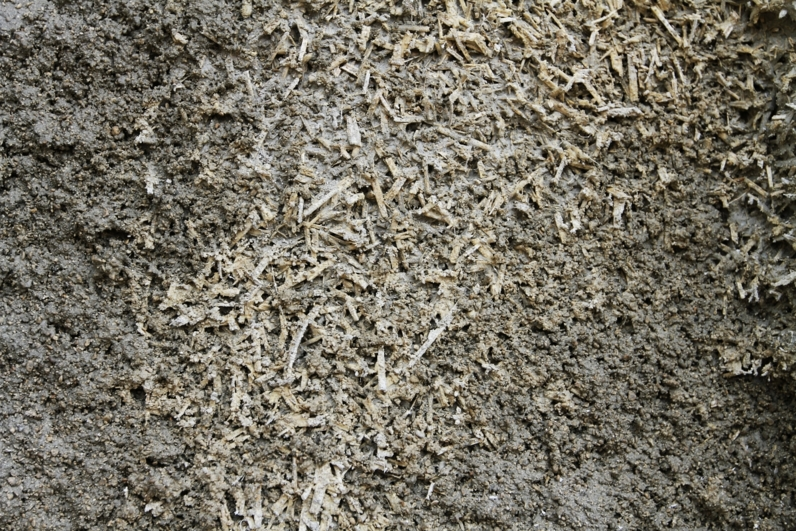
Inspired by ancestral techniques combining plant and mineral, "lime-hemp" or "hemp concrete" is used in building for various applications, in new construction as well as renovation.
This "concrete" made of plant aggregate combines two natural products:
- Lime from the calcination of limestone.
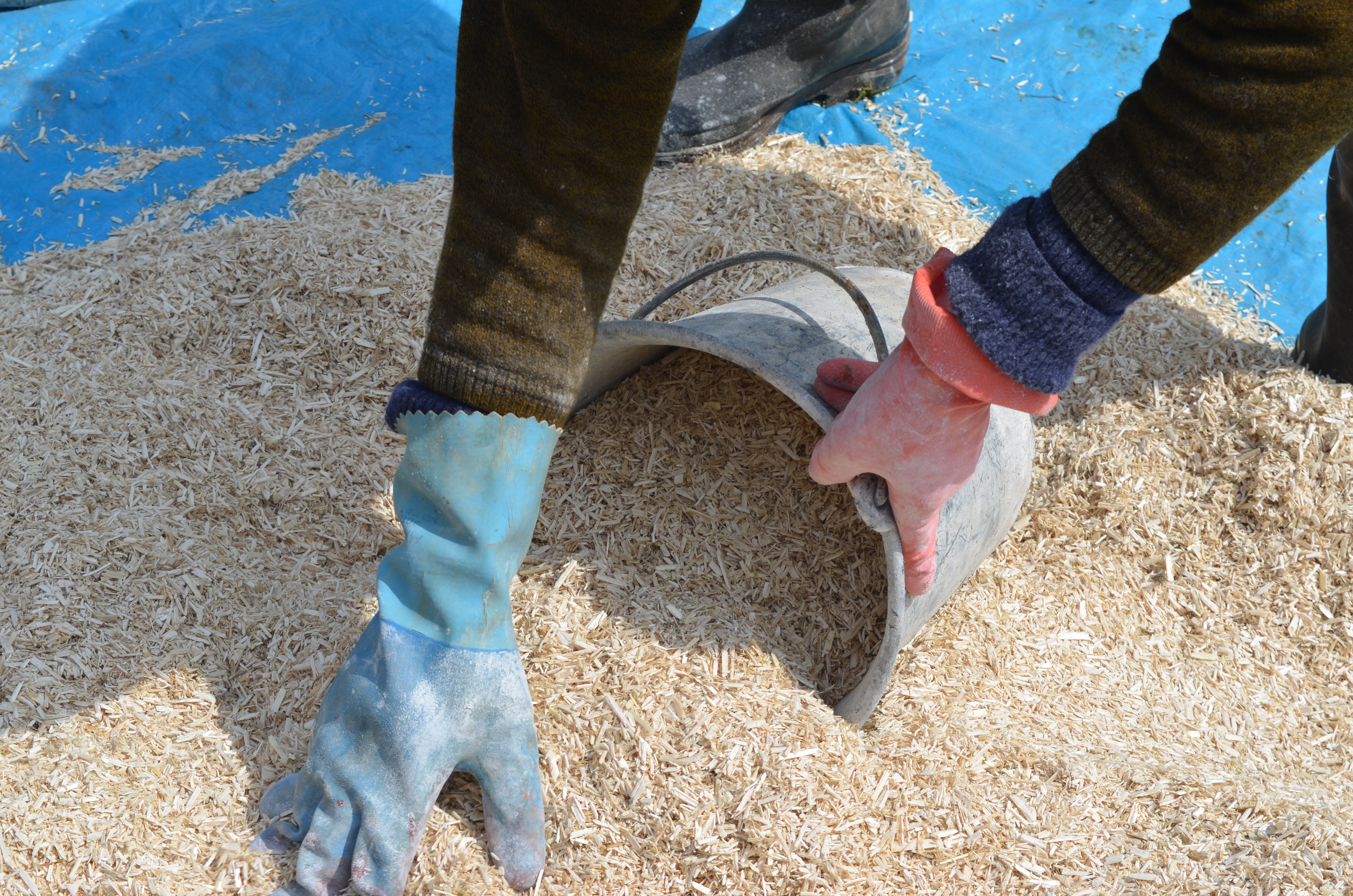
- Hemp shiv, part of the hemp stem once the fiber is removed, commonly called hemp.
Hemp concrete is a solution that provides structures with freshness in summer and better insulation in winter, thus allowing energy savings. It acts as a natural repellent against rodents.
The "lime-hemp" solution is a bio-sourced solution of plant origin. It is a local, sustainable and healthy solution that meets the environmental challenges of today's construction.
HEMP CONCRETE = hemp shiv + lime
HEMP SHIV
Hemp shiv is the part of the hemp stem once the fiber is removed, commonly called hemp. It is 100% natural and produced in France. Hemp cultivation contributes to soil regeneration.
LIME
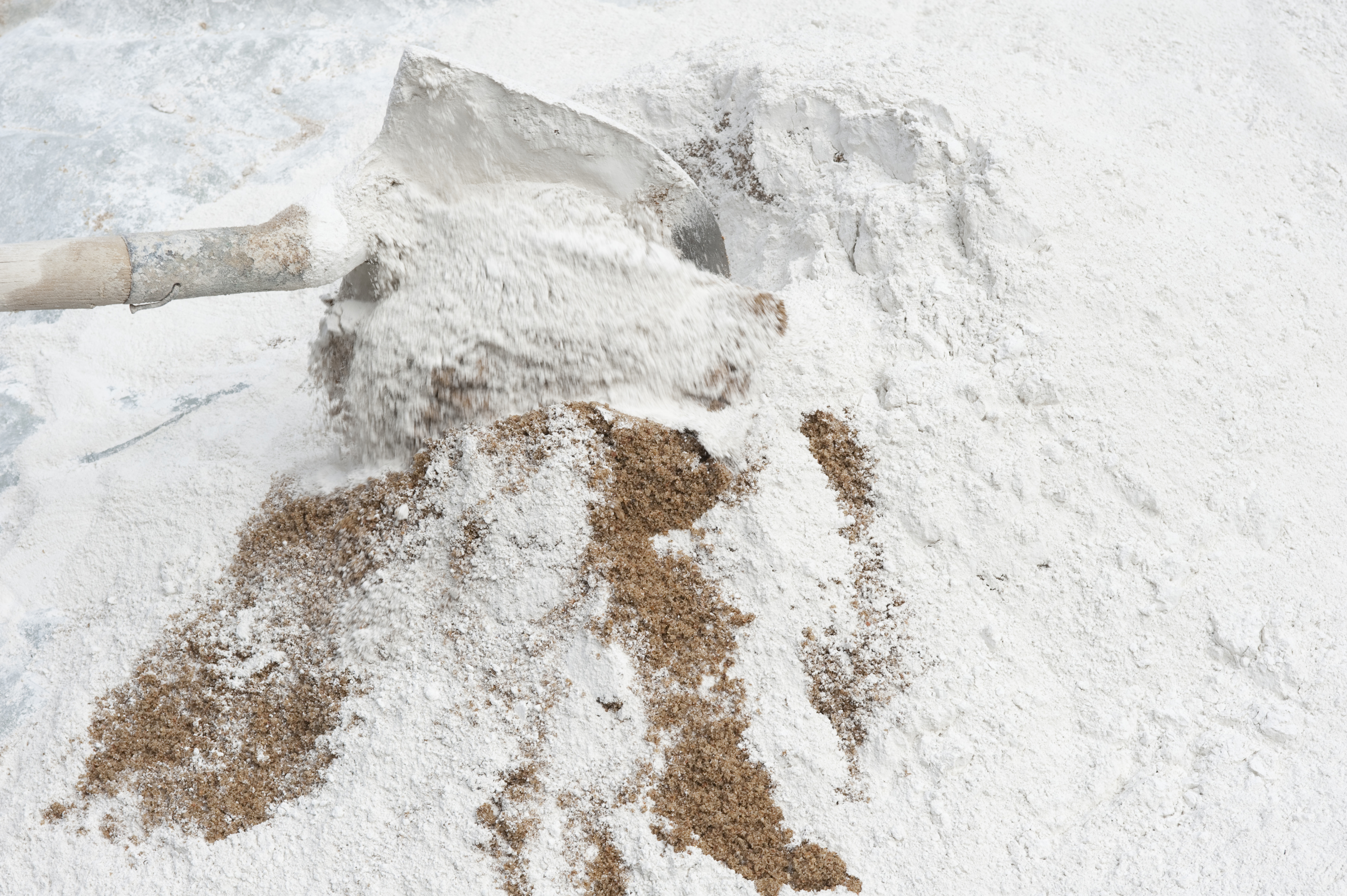
Natural or formulated, Lafarge hydraulic limes are perfectly suited for new and renovation work. Their numerous and exceptional qualities make them an exceptional raw material for all work related to the preservation and safeguarding of heritage.
Source : lafarge.fr
Recycled Steel Geodesic Dome
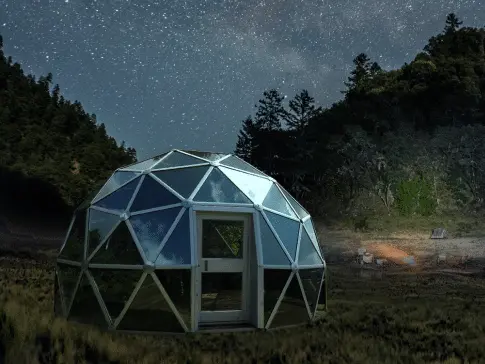
In architecture, a geodesic dome is a spherical, or partially spherical, lattice structure whose bars follow the great circles (geodesics) of the sphere. The intersection of geodesic bars forms triangular elements that each have their own rigidity, causing the distribution of forces and tensions over the entire structure which is therefore self-supporting, leaving the interior entirely available (no pillars).
The construction of geodesic domes was particularly developed by American architect Richard Buckminster Fuller. One of his most remarkable geodes is a transparent geodesic dome 80 m in diameter that was built on Sainte-Hélène Island in Montreal in 1967 to be the United States pavilion at the Montreal World's Fair and which today houses the Biosphere.
Bio-sourced Polymer
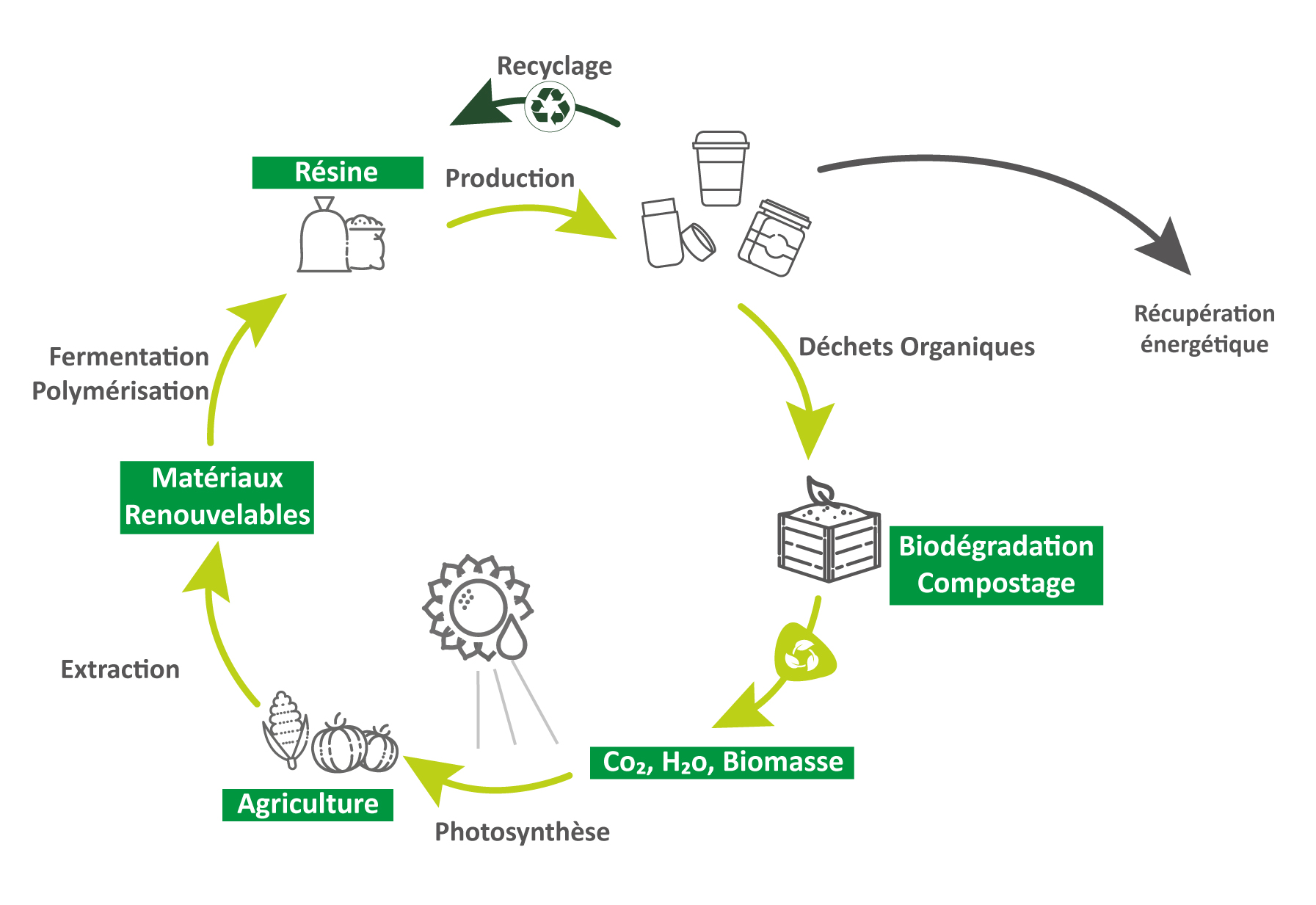
Bio-sourced polymers are plastic materials derived from renewable resources such as starch, cellulose, or certain sugars from plants. Unlike traditional plastics from petroleum, they reduce carbon footprint and dependence on fossil resources.
Used in construction, these materials offer interesting properties: lightness, resistance, flexibility and sometimes even biodegradability. Their integration into Martian habitats contributes to a more sustainable and circular approach to resources.
Source : ademe.fr
Plant Transport
Climate-Controlled and Recyclable Containers
For long-distance plant transport, containers regulating temperature, humidity and lighting are used.
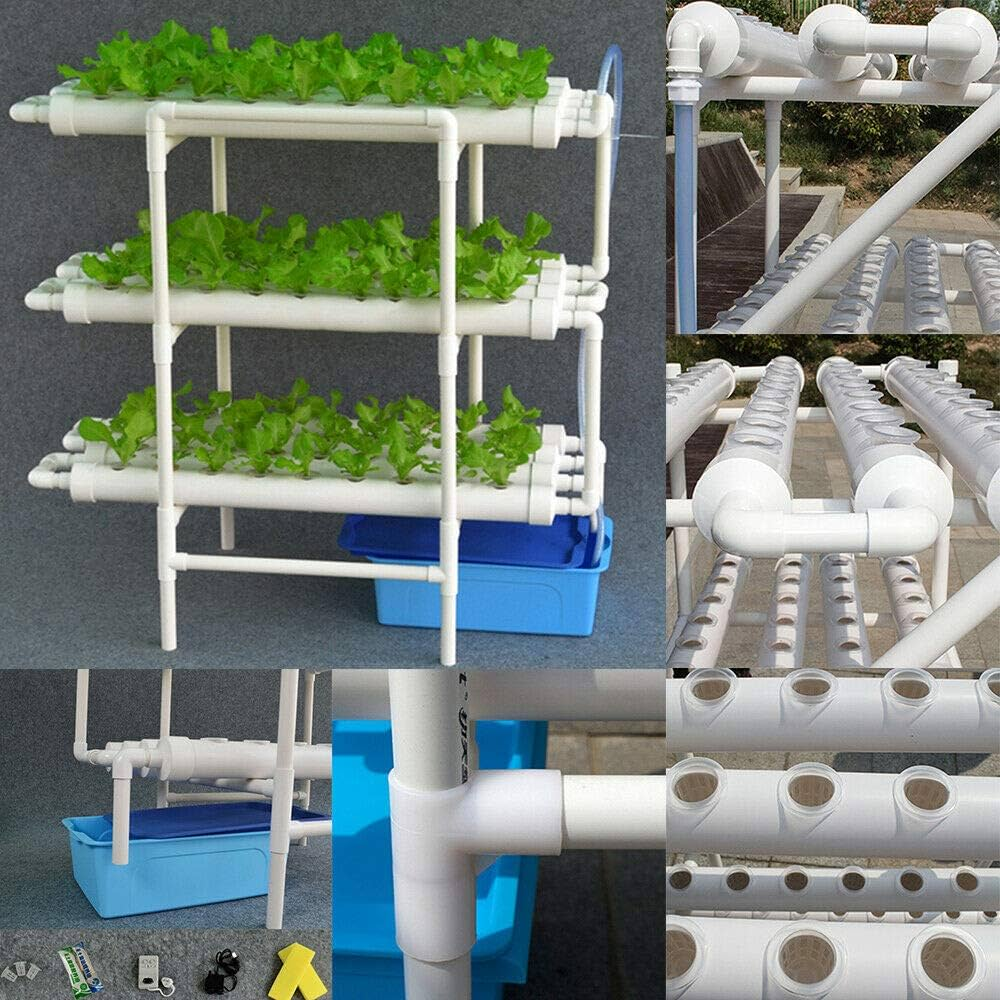
Hydroponics and Vertical Growing Tubes
Hydrological systems allow plant cultivation, reducing dependence on transport. For longer transport, vacuum tubes preserve plants from radiation and temperature variations.
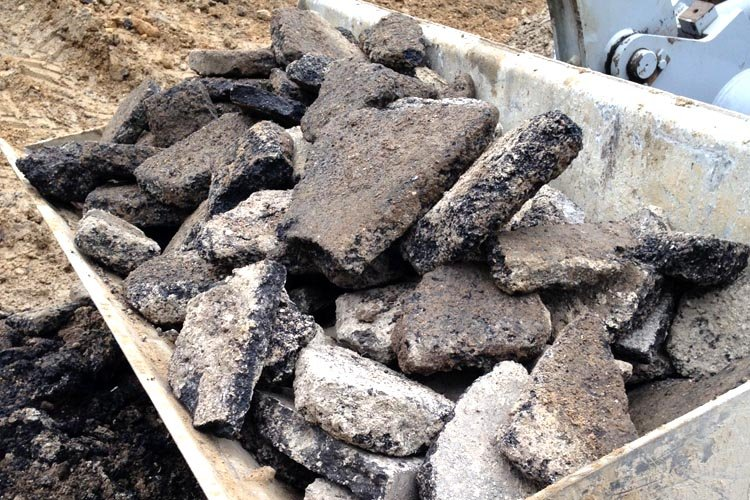
Asphalt Crust
Asphalt crust or milled asphalt refers to the product of planing the wearing course of an existing pavement before relaying. The road planer removes the first 2 to 8 cm of coating and evacuates it as black bituminous aggregate.